
If you're looking to buy io.net (IO), you've come to the right place. IO is the native token of io.net, a decentralized computing network built on Solana that gives machine learning engineers access...
Sfoglia le guide all'acquisto
Tutte le guide all'acquistoAcquista Powerledger (POWR) — Una guida semplice
If you're looking to buy Powerledger (POWR), you've come to the right place. Powerledger is a blockchain-based energy trading platform that's quietly building real-world infrastructure in the...
Acquista StorX (SRX) — Una guida semplice
If you're looking to buy StorX (SRX), you've come to the right place. StorX is a decentralized storage network that puts data privacy and control back in your hands — no middlemen, no single point...
Acquista MVL (MVL) — Una guida semplice
If you're looking to buy MVL (MVL), you've come to the right place. MVL is a blockchain-powered ecosystem built around the automotive industry, connecting car-related businesses and rewarding...
Acquista Auki (AUKI) — Una guida semplice
If you're looking to buy Auki (AUKI), you've landed in the right place. Auki is building infrastructure that lets robots, smart glasses, and AI devices understand and navigate the physical world — a...
Acquista Ankr Network (ANKR) — Una guida semplice
If you're looking to buy Ankr Network (ANKR), you've come to the right place. ANKR is the native token of one of Web3's most widely used blockchain infrastructure platforms, powering everything from...
Comprare IoTeX (IOTX) — Una guida semplice
If you're looking to buy IoTeX (IOTX), you've come to the right place. IoTeX is one of the more ambitious projects in the blockchain space, sitting at the crossroads of artificial intelligence, the...
Acquista Chia (XCH) — Una guida semplice
If you're looking to buy Chia (XCH), you've come to the right place. Chia is a unique blockchain project founded by Bram Cohen — the inventor of BitTorrent — that takes a fundamentally different...
Acquista Geodnet (GEOD) — Una guida semplice
If you're looking to buy Geodnet (GEOD), you've come to the right place. GEOD is the native token of GEODNET, a decentralized physical infrastructure network (DePIN) that's quietly building...
Comprare XYO Network (XYO) — Una guida semplice
If you're looking to buy XYO Network (XYO), you've come to the right place. XYO is one of the most established projects in the fast-growing DePIN (Decentralized Physical Infrastructure Network)...
Acquista World Mobile Token (WMTX) — Una guida semplice
If you're looking to buy World Mobile Token (WMTX), you've come to the right place. WMTX is the utility token behind World Mobile, a decentralized mobile network that's making waves in the DePIN...
Acquista Siacoin (SC) — Una guida semplice
If you're looking to buy Siacoin (SC), you've come to the right place. Siacoin powers a decentralized cloud storage network that lets everyday users rent out unused hard drive space or store files...
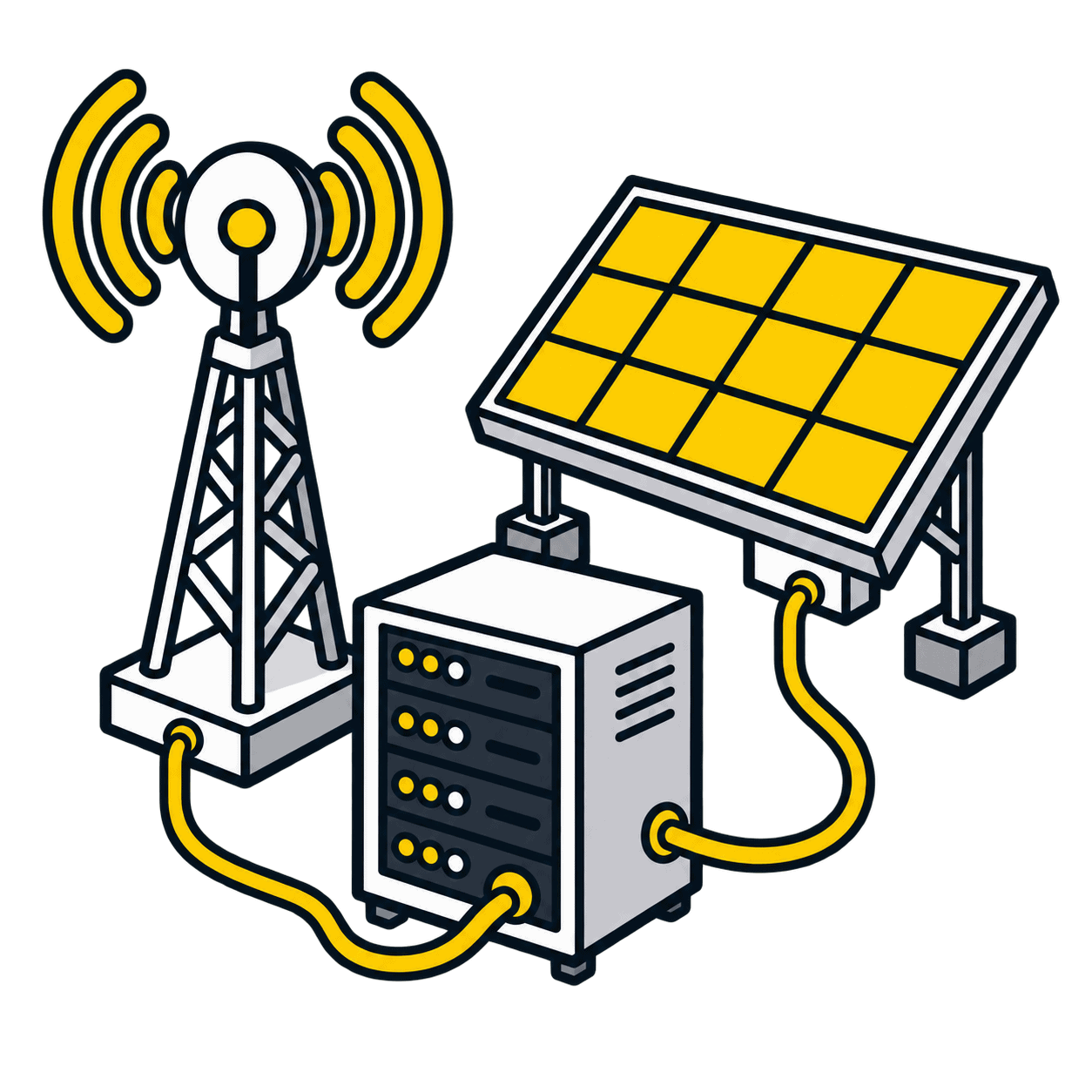
Come funzionano le reti DePIN?
Sfoglia le guide all'acquistoLa blockchain registra generalmente una combinazione di pagamenti, ricompense e prove; il servizio effettivo deve comunque funzionare nel mondo fisico.
Come funziona
Le ricompense iniziali possono incentivare i provider a costruire capacità prima che arrivi la domanda. È quindi essenziale distinguere gli incentivi in token dai ricavi derivanti dai clienti. Le mappe di copertura, i dispositivi installati e la capacità pubblicizzata non dimostrano di per sé un utilizzo reale e a pagamento. Una rete deve anche rilevare attività fittizie e verificare la qualità del servizio. I costi hardware, la manutenzione, la distribuzione geografica e le modifiche alle regole di ricompensa possono incidere significativamente sui provider, mentre un detentore di token potrebbe non avere alcuna proprietà né delle apparecchiature né del business operativo.
Basi solide fanno la differenza
Prima del prossimo acquisto o trasferimento, capisci chi controlla l’accesso, dove sono dirette le tue criptovalute e quanto costerà davvero l’operazione.
Proteggi l’accesso alle tue criptovalute
Un conto su un exchange e un wallet in autocustodia richiedono protezioni diverse. Proteggi l’accesso all’exchange con una password unica e una robusta autenticazione a due fattori. In autocustodia, il backup di recupero permette di riottenere l’accesso.
Conserva le parole di recupero offline e in privato. Se un addetto all’assistenza o un sito le richiede, fermati.
Vedi un esempio di recupero
Il tuo telefono si rompe. Un exchange può aiutarti a recuperare il conto dopo aver verificato l’identità. Un wallet in autocustodia non può reimpostare la frase di recupero. Consulta le istruzioni ufficiali di backup prima di farvi affidamento.
Scegli la rete giusta per il trasferimento
L’asset, la versione del token e la rete devono essere supportati a destinazione. Un simbolo noto o un formato di indirizzo coincidente non bastano. Leggi le istruzioni di deposito della piattaforma ricevente prima di scegliere la rete di prelievo.
Controlla indirizzo, eventuale memo o tag, commissioni e importi minimi. Valuta prima un piccolo trasferimento di prova.
Vedi un esempio di rete
La destinazione accetta USDC su Ethereum. Scegliere una rete più economica sull’exchange mittente non rende il trasferimento una transazione Ethereum. Usa una rete supportata da entrambe le parti; un normale prelievo non sposta i token tra reti tramite un bridge.
Comprendi il prezzo che paghi
Le commissioni di trading sono solo parte del costo. Contano anche spread, liquidità disponibile e commissioni di prelievo. Un ordine a mercato privilegia l’esecuzione; un ordine limite controlla il prezzo, ma può restare ineseguito o essere eseguito solo in parte.
Controlla l’anteprima dell’ordine e l’importo che riceverai, poi confronta il costo totale dell’acquisto e del prelievo previsti.
Esamina un esempio di costo
Esempio ipotetico: un’operazione da 200 USD con commissione di trading dello 0,1 % costa 0,20 USD di commissioni. Un prelievo con commissione separata di 5 USD porta questi costi a 5,20 USD. Spread o slippage possono aggiungersi; non sono tariffe reali di un exchange.


