Decentralized Finance, or DeFi, is reshaping the landscape of global finance by enabling open, permissionless, and programmable alternatives to traditional banking services. This category is devoted to comprehensive reviews of DeFi projects—protocols and platforms that run on public blockchains and replace centralized financial intermediaries with smart contract-based infrastructure.
What Are DeFi Projects?
DeFi projects span a wide range of services, including lending and borrowing protocols, decentralized exchanges (DEXs), automated market makers (AMMs), stablecoin platforms, yield aggregators, derivatives markets, and synthetic asset platforms. Each project operates without traditional gatekeepers like banks, brokers, or clearinghouses, offering users direct access to financial products via smart contracts.
Built primarily on Ethereum and other smart contract-capable blockchains like Solana, Avalanche, and Arbitrum, DeFi protocols allow anyone with a digital wallet and internet connection to interact with complex financial systems. These platforms prioritize decentralization, transparency, and global accessibility—but they also demand a higher level of understanding and self-custody from users.
Why DeFi Project Reviews Matter
The DeFi space evolves rapidly, and new protocols launch constantly. Not all are built to last—or built securely. Some push the boundaries of financial innovation, while others may introduce systemic risks or suffer from poor tokenomics. Our DeFi project reviews are designed to help users navigate this fast-moving sector by providing objective, in-depth assessments of a protocol’s design, utility, governance, and risk profile.
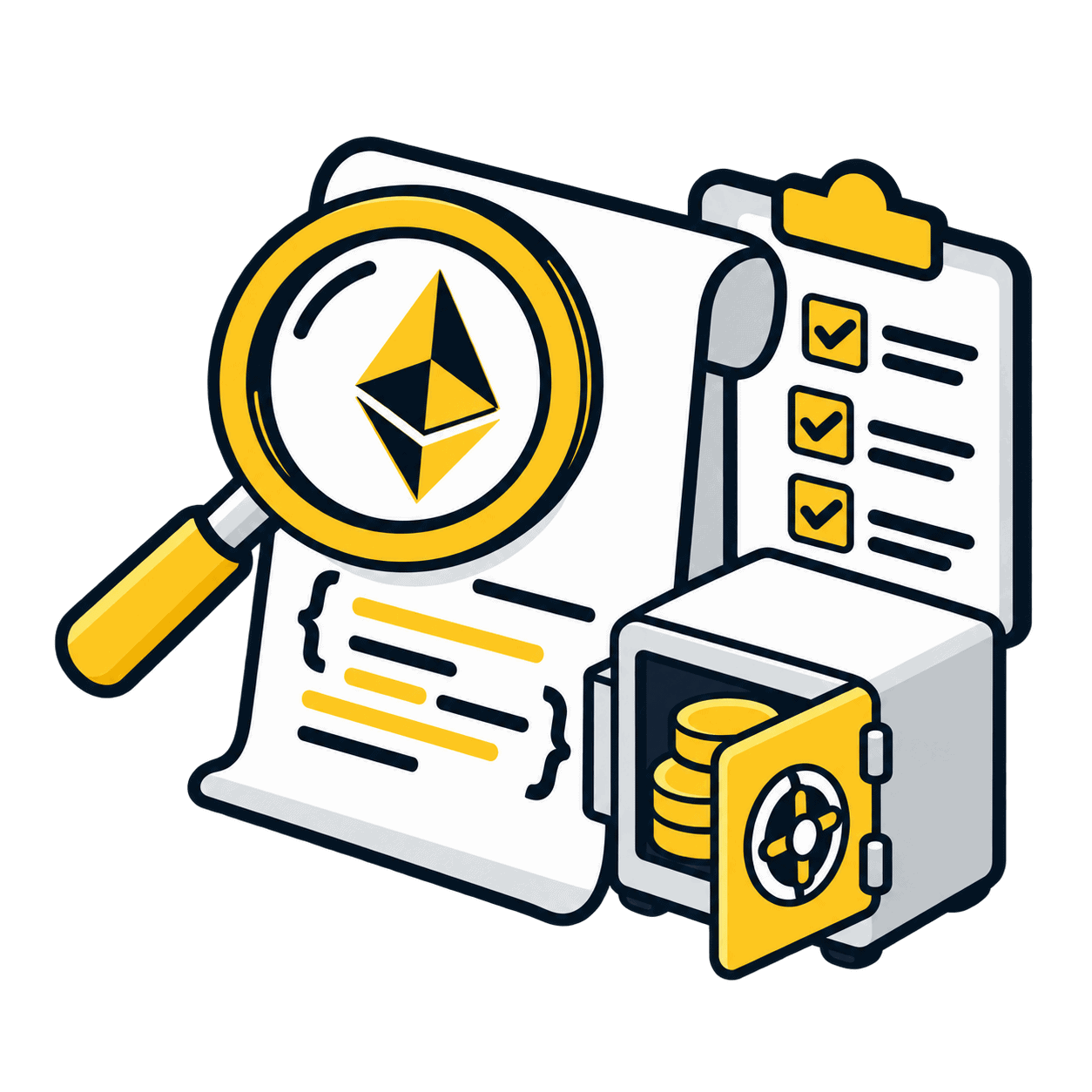
Each review is grounded in direct interaction with the protocol, close analysis of its smart contracts, documentation, token mechanics, and community governance structure. Whether you’re yield farming, providing liquidity, or exploring DAO participation, these reviews aim to equip you with the knowledge to make informed, risk-aware decisions.
Core Criteria We Evaluate
To assess a DeFi project effectively, we consider a wide range of technical, economic, and operational factors. These include:
- Smart contract architecture: Audit status, code transparency, upgradability, and modular design.
- Tokenomics: Utility of the native token, supply distribution, inflation/deflation mechanics, and incentive design.
- Liquidity and TVL (Total Value Locked): Depth of liquidity, asset variety, and real user engagement.
- Governance model: DAO structure, voting mechanisms, and decentralization of decision-making.
- Composability: How well the protocol integrates with other DeFi tools and chains.
- Security practices: Past vulnerabilities, bounty programs, and community response to incidents.
- Sustainability: Fee structures, protocol revenue, and long-term incentive alignment.
By using this framework, we strive to offer fair, actionable insights into a project’s strengths, weaknesses, and potential trajectory.
Types of DeFi Projects We Cover
The DeFi space is broad and dynamic. Our reviews span across a range of verticals:
- Lending & borrowing platforms: Protocols like Aave and Compound that allow users to earn interest or take out loans by depositing crypto collateral.
- DEXs and AMMs: Decentralized exchanges that enable peer-to-peer token swaps without order books, using liquidity pools instead.
- Stablecoin issuers: Projects that maintain price-stable tokens through collateralization, algorithms, or a combination of both.
- Yield aggregators: Platforms that automate strategy execution for maximizing returns across DeFi protocols.
- Derivatives and synthetic assets: Projects offering tokenized versions of traditional financial instruments and advanced trading tools.
- Insurance protocols: Decentralized coverage for smart contract failures, stablecoin depegs, and more.
- DeFi-native DAOs: Decentralized governance bodies managing protocol upgrades, treasury spending, and community direction.
Risks and Considerations in DeFi
Participating in DeFi comes with unique risks that differ from those found in traditional finance. Understanding these risks is critical before committing capital:
- Smart contract vulnerabilities: Code bugs or logic errors can be exploited, leading to fund loss.
- Oracle manipulation: DeFi protocols often rely on price feeds that, if compromised, can be gamed to drain assets.
- Rug pulls: Malicious developers may design backdoors into a project or drain liquidity pools post-launch.
- Impermanent loss: Providing liquidity to AMMs can lead to value loss when token prices diverge.
- Governance attacks: Poorly designed voting mechanisms can allow hostile takeovers or treasury abuse.
- Token dilution: Inflationary tokenomics may reduce the long-term value of your holdings if not balanced by utility or demand.
Our reviews aim to highlight these risks when present, along with the mechanisms projects use to mitigate them.
Who Should Use DeFi Project Reviews?
Whether you’re an experienced DeFi user managing multiple protocols or a newcomer exploring yield opportunities, these reviews are for anyone who values clarity, depth, and critical analysis. If you’re evaluating where to stake tokens, how to earn passive income, or which governance models align with your ethos, our content is designed to guide you.
These reviews are particularly valuable for:
- Yield farmers and liquidity providers
- DAO participants and governance voters
- Crypto researchers and analysts
- Risk-conscious investors
- Builders evaluating composable integrations
Staying Ahead in a Fast-Moving Ecosystem
The DeFi landscape is constantly evolving. New features, token updates, partnerships, and regulatory shifts can fundamentally alter how a protocol operates. That’s why our reviews are living documents, updated regularly as projects upgrade their architecture, change leadership, or pivot in strategy.
We also track forks, protocol mergers, DAO disputes, and on-chain metrics to ensure our insights remain accurate and relevant in a rapidly changing environment.
Start Exploring our DeFi Reviews with Confidence
This category is your go-to resource for navigating the complex world of DeFi. Each review provides not just a snapshot of where a project stands today, but also an analysis of its sustainability, risks, and potential to shape the future of decentralized finance. From established blue-chip protocols to experimental newcomers, our reviews deliver the transparency, depth, and insight needed to engage with DeFi intelligently and securely.