An Efficient Guide to Crypto Leverage Trading
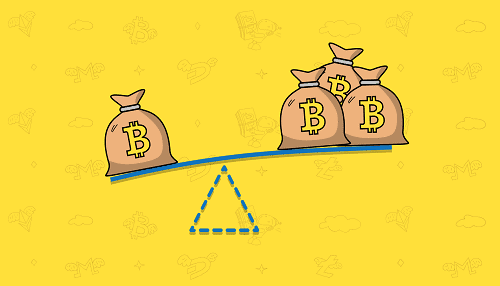
During your trading career, you will almost certainly deal with leverage. Even if you hold significant funds, you will want to increase them to be able to make more trades and gain greater rewards. Keep reading to learn the basics of leverage trading and tips on how to use it effectively.
What Is Leverage?
Leverage is a type of margin trading. It’s a common tool in both traditional and cryptocurrency markets. If you’ve ever traded on Forex, you won’t struggle with leverage trading in the crypto market.
Most common crypto trading strategies come from years of experience that you can learn and adjust to your personal trading goals.
You open buy and sell trades borrowing capital from a broker so that you increase the funds you can operate with.
Derivative trading can be done with limited funds. Even if you plan to trade the BTC/USD pair, you don’t need to deposit $60,000 to your trading account. However, the sum you own will determine the position size that will affect your potential income (and loss. Remember that trading doesn’t guarantee 100% winning trades). Leverage can increase your financial opportunities by up to 100 times – having $100; you can operate for $100,000.
Leverage is provided by almost all trading platforms. However, it increases the risk of financial loss. Therefore, it’s vital to find a reliable broker. The Margex platform is one that will help you operate in the highly volatile crypto market and reduce the risks.
Leverage Trading: Advantages
Here are the main reasons that make traders use leverage.
Efficient Trading
Imagine you have only $100. How much time do you need to save, at least $1,000, to open a considerable trade? As the crypto market is highly volatile, you need to react to the opportunities it offers fast. Using margin trading, you can open numerous positions fast without saving up money for months.
Diversified Portfolio
Diversification is a key to successful trading. When diversifying, you balance possible losses with potential income. You shouldn’t put all your funds in one cryptocurrency. The more funds you own, the more trades you can open and hedge the risks.
Increased Income
We have mentioned this point several times. Potential income correlates to the size of your capital – the larger your positions/number of trades, the more you can gain.
Leverage Trading: Pitfalls
Increased risks are the main pitfall you should consider when applying leverage trading. Multiplying the amount of funds you deal with, you magnify the losses you could suffer if the market turns against you. Margin trading can lead to losses exceeding your initial capital.
Leveraged trading is available for newbies and professional traders. However, it requires extra caution from beginners because they need to know how to calculate funds and losses they can bear. Nevertheless, this isn’t a reason to avoid margin trading.
Takeaway
If you want to gain more, you need to be ready to lose more. This rule applies to all aspects of finance, including leverage trading. However, leverage trading has a significant advantage – it widens your opportunities.
Disclaimer: While providing more trading opportunities for trading, leverage multiplies risks. Applying money management tools is recommended to balance potential rewards and losses.