If you're looking to buy GraphAI (GAI), you've come to the right place. GraphAI is a blockchain intelligence project built on the Base network that powers on-chain AI agents with real-time data — a...
Buy GraphAI (GAI) — A simple guide
read more

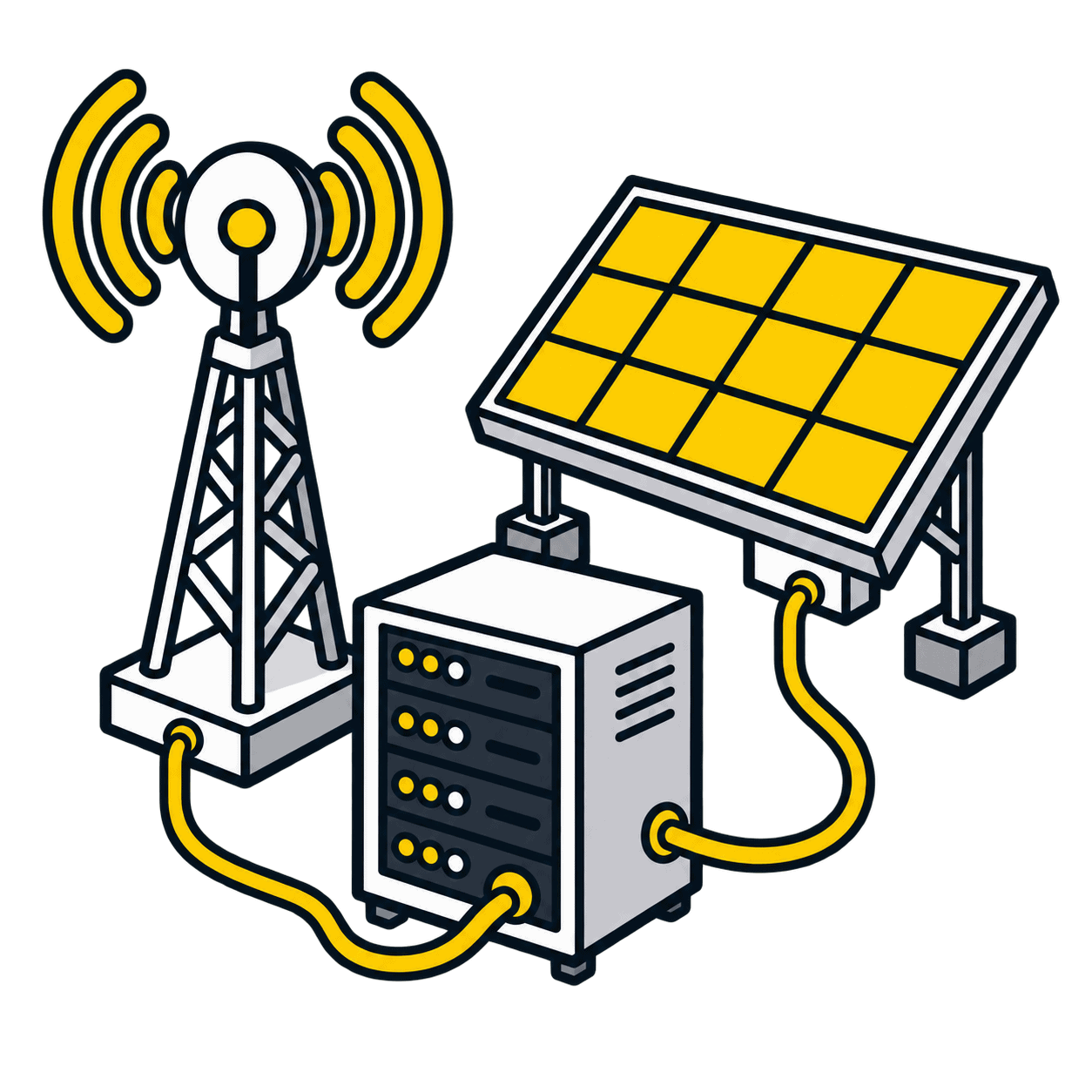
Decentralized physical infrastructure networks, or DePIN, use tokens to coordinate services delivered by distributed hardware. Examples include wireless coverage, storage, computing and sensor networks. Participants supply equipment or capacity, while customers use the resulting service.
If you're looking to buy GraphAI (GAI), you've come to the right place. GraphAI is a blockchain intelligence project built on the Base network that powers on-chain AI agents with real-time data — a...
If you're looking to buy ALTHEA (ALTHEA), a token powering a decentralized internet service provider network built on blockchain technology, you've come to the right place. ALTHEA sits at the...
If you're looking to buy Streamr (DATA), you've landed in the right place. Streamr is one of the more interesting infrastructure projects in the crypto space, focused on decentralized real-time data...
If you're looking to buy Neutaro (NTMPI), the governance token behind the Timpi decentralized search and AI ecosystem, you've come to the right place. NTMPI sits at the intersection of some of...
If you're looking to buy ROVR Network (ROVR), you've come to the right place. ROVR is a decentralized data platform built on Solana, sitting at the crossroads of AI, DePIN, and real-time 3D data...
If you're looking to buy Dtravel (TRVL), you've come to the right place. TRVL is the utility token powering Dtravel, a blockchain-based ecosystem designed to reshape how travel businesses and...
If you're looking to buy Beamable Network Token (BMB), you've come to the right place. BMB is the native token powering Beamable Network, a decentralized compute infrastructure built on Solana...
If you're looking to buy Matrix AI Network (MAN), you've come to the right place. MAN is a unique project sitting at the intersection of artificial intelligence and blockchain technology, built to...
If you're looking to buy UpRock (UPT), you've come to the right place. UpRock is a decentralized data network built on Solana that lets everyday users contribute their idle internet bandwidth to...
If you're looking to buy Fluence (FLT), you've come to the right place. Fluence is a decentralized compute network built on Ethereum that's quietly gaining attention in the DePIN space — offering a...
If you're looking to buy U2U Network (U2U), you've come to the right place. U2U Network is a DAG-based, EVM-compatible Layer 1 blockchain designed for infinite scalability and DePIN applications — a...
If you're looking to buy Heurist (HEU), you've landed in the right place. Heurist is a decentralized AI cloud platform that's gaining attention at the intersection of artificial intelligence and...
The blockchain usually accounts for some combination of payments, rewards and proofs; the actual service still has to work in the physical world.
Early rewards can encourage providers to build capacity before demand arrives. That makes it essential to distinguish token incentives from customer revenue. Coverage maps, installed devices and advertised capacity do not by themselves show useful, paid usage. A network also needs to detect fake activity and verify service quality. Hardware costs, maintenance, geography and changes to reward rules can strongly affect providers, while a token holder may have no ownership of the equipment or operating business.


Before your next purchase or transfer, understand who controls access, where your crypto is going and what the trade will actually cost.
An exchange account and a self-custody wallet need different safeguards. Protect exchange logins with a unique password and strong two-factor authentication. For self-custody, your recovery backup is what lets you restore access.
Keep recovery words offline and private. A support agent or website asking for them is a reason to stop.
Your phone breaks. An exchange may help you recover your account after identity checks. A self-custody wallet cannot reset your recovery phrase. Check your wallet’s official backup instructions before relying on it.
The asset, token version and network must be supported at the destination. A familiar ticker or a matching address format is not enough. Read the receiving platform’s deposit instructions before selecting a withdrawal network.
Check the address, any required memo or tag, fees and minimums. Consider a small test transfer first.
Your destination accepts USDC on Ethereum. Selecting a cheaper network at the sending exchange does not make it an Ethereum transfer. Use a network both ends support; an ordinary withdrawal does not bridge tokens.
Trading fees are only part of the cost. The spread, available liquidity and withdrawal charges also matter. A market order prioritizes execution; a limit order controls the price but may remain unfilled or fill only partly.
Check the order preview and the amount you will receive, then compare the full cost of your intended purchase and withdrawal.
Hypothetical example: a $200 trade with a 0.1% trading fee costs $0.20 in trading fees. A separate $5 withdrawal fee brings those charges to $5.20. Spread or slippage may add more; these are not quoted exchange rates.
