Governance

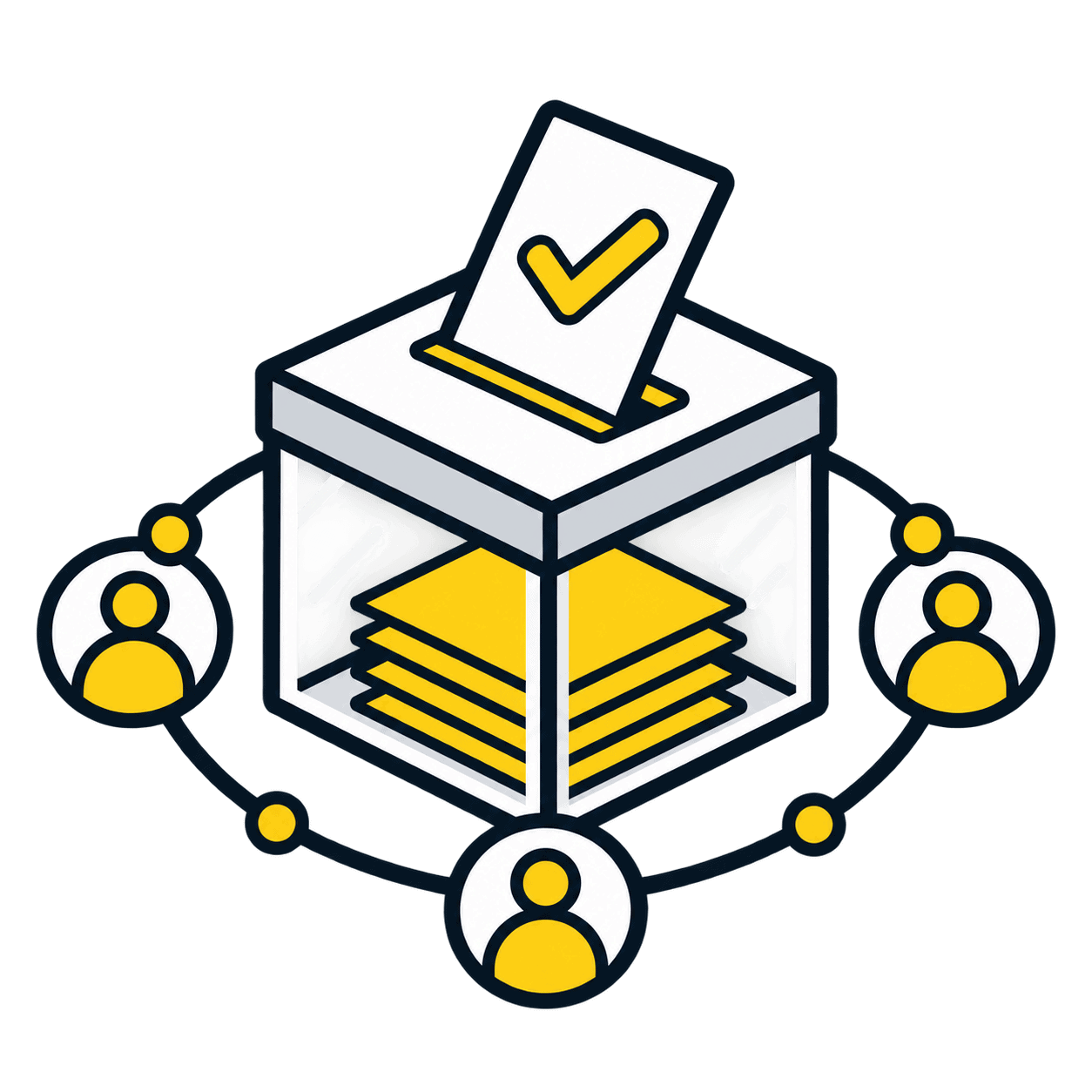
Governance tokens can let holders propose or vote on changes to a protocol, treasury or community organization. Votes may cover fees, incentives, software upgrades or the use of shared funds.

DAO governance illustrated with a ballot box and community voting

Browse the buying guides

All buying guides

Buy Spark (SPK) — A simple guide

If you're looking to buy Spark (SPK), you've come to the right place. Spark is an onchain capital allocator that's quietly become one of DeFi's more serious infrastructure players, with billions...

read more

Buy Sushi (SUSHI) — A simple guide

If you're looking to buy Sushi (SUSHI), the governance and utility token behind one of DeFi's most established decentralized exchanges, you've come to the right place. SushiSwap has grown into a...

read more

Buy Arkham (ARKM) — A simple guide

If you're looking to buy Arkham (ARKM), you've come to the right place. Arkham is one of the more distinctive projects in crypto, combining a trading exchange with powerful on-chain analytics that...

read more

Buy XPR Network (XPR) — A simple guide

If you're looking to buy XPR Network (XPR), you've come to the right place. XPR is the native token of a public blockchain platform built around secure identity and seamless crypto payments — and...

read more

Buy DeepBook (DEEP) — A simple guide

If you're looking to buy DeepBook (DEEP), you've come to the right place. DEEP is the native token of DeepBook, a core liquidity infrastructure layer built specifically for the Sui blockchain. It's...

read more

Buy Railgun (RAIL) — A simple guide

If you're looking to buy Railgun (RAIL), you've come to the right place. RAIL is the governance token behind RAILGUN, a privacy-focused smart contract system built directly on Ethereum that lets...

read more

Buy deBridge (DBR) — A simple guide

If you're looking to buy deBridge (DBR), you've come to the right place. deBridge is a cross-chain protocol built on Solana that's gaining attention for its innovative approach to moving assets and...

read more

Buy KAITO (KAITO) — A simple guide

If you're looking to buy KAITO (KAITO), the native token powering one of the most interesting AI-driven information finance networks in crypto, you've come to the right place. KAITO sits at the...

read more

Buy dYdX (DYDX) — A simple guide

If you're looking to buy dYdX (DYDX), you've come to the right place. dYdX is one of DeFi's most serious trading platforms, built for users who want professional-grade decentralized trading without...

read more

Buy 0x Protocol (ZRX) — A simple guide

If you're looking to buy 0x Protocol (ZRX), you've come to the right place. ZRX is the native token of the 0x Protocol, a foundational piece of decentralized finance infrastructure built on...

read more

What rights do governance tokens provide?

Browse the buying guides

The scope varies widely. A governance token is not automatically company equity, and voting power does not necessarily include a right to revenue or legal ownership of treasury assets.

How it works

Some votes execute through smart contracts; others signal preferences that a team or multisignature wallet must implement. Delegation lets holders assign voting power to representatives, while quorum and proposal thresholds affect who can participate. Large holders, borrowed voting power and low turnout can concentrate control. Timelocks, vetoes and emergency powers may protect a system but also limit token-holder authority. Read both the voting process and the mechanism that turns a decision into an action.

Blockchain explained: connected blocks in a blockchain network
Cryptocurrency wallet and keys illustrating secure access and recovery

A little groundwork goes a long way

Before your next purchase or transfer, understand who controls access, where your crypto is going and what the trade will actually cost.

Protect access to your crypto

An exchange account and a self-custody wallet need different safeguards. Protect exchange logins with a unique password and strong two-factor authentication. For self-custody, your recovery backup is what lets you restore access.

Keep recovery words offline and private. A support agent or website asking for them is a reason to stop.

See a recovery example

Your phone breaks. An exchange may help you recover your account after identity checks. A self-custody wallet cannot reset your recovery phrase. Check your wallet’s official backup instructions before relying on it.

Choose the right transfer network

The asset, token version and network must be supported at the destination. A familiar ticker or a matching address format is not enough. Read the receiving platform’s deposit instructions before selecting a withdrawal network.

Check the address, any required memo or tag, fees and minimums. Consider a small test transfer first.

See a network example

Your destination accepts USDC on Ethereum. Selecting a cheaper network at the sending exchange does not make it an Ethereum transfer. Use a network both ends support; an ordinary withdrawal does not bridge tokens.

Understand the price you pay

Trading fees are only part of the cost. The spread, available liquidity and withdrawal charges also matter. A market order prioritizes execution; a limit order controls the price but may remain unfilled or fill only partly.

Check the order preview and the amount you will receive, then compare the full cost of your intended purchase and withdrawal.

Work through a cost example

Hypothetical example: a $200 trade with a 0.1% trading fee costs $0.20 in trading fees. A separate $5 withdrawal fee brings those charges to $5.20. Spread or slippage may add more; these are not quoted exchange rates.

