Buying Crypto by Country

Start with the rules and payment methods where you live. These country guides connect local funding routes, provider checks, costs and record keeping with practical lessons and asset guides.

Buying cryptocurrency in Sweden with a bank, Bitcoin phone and secure wallet
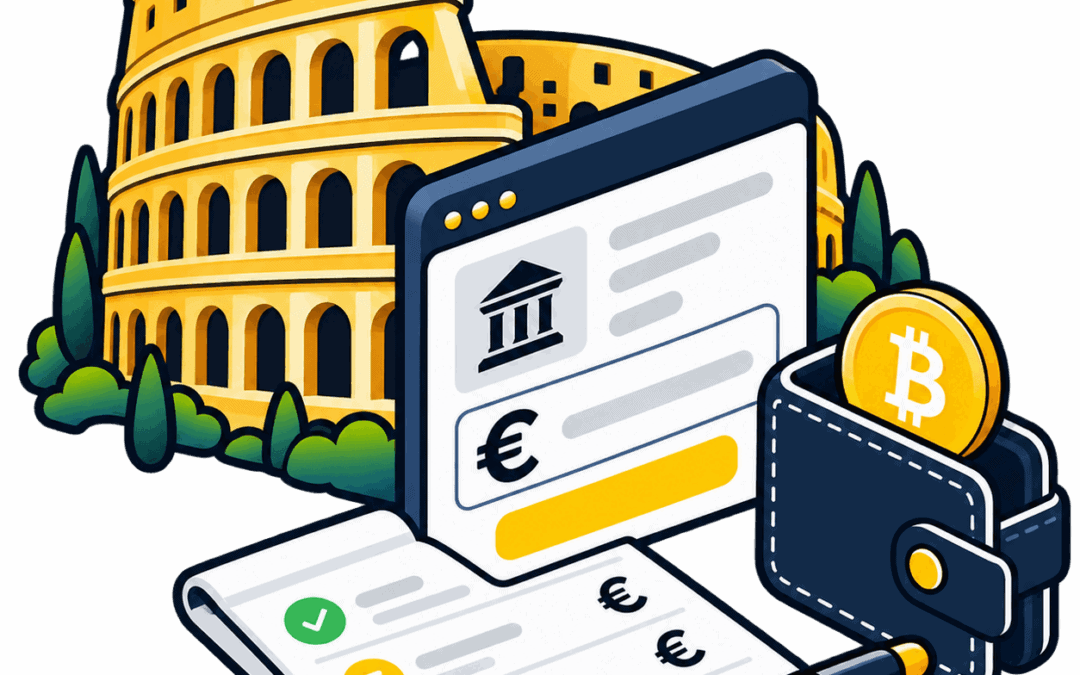
How to Buy Crypto in Italy (2026): EUR, SEPA and Fees

How to Buy Crypto in Italy (2026): EUR, SEPA and Fees

Buy crypto in Italy with a clear plan: verify the provider, fund your account in euros and check the complete cost before ordering. This guide follows the route from SEPA transfer to your own wallet, with a worked example of Italy’s 2026 tax rules and the records to keep from day one.
read more
How to Buy Crypto in Spain (2026): EUR, SEPA and Fees

How to Buy Crypto in Spain (2026): EUR, SEPA and Fees

Buying crypto in Spain starts with a euro payment route, a provider you can verify and a clear record of what you buy. Follow the steps from bank transfer to wallet, compare the complete cost and learn why a crypto swap can matter for your Spanish tax return even when no euros reach your bank.

read more
Cryptocurrency wallet and keys illustrating secure access and recovery

A little groundwork goes a long way

Before your next purchase or transfer, understand who controls access, where your crypto is going and what the trade will actually cost.

Protect access to your crypto

An exchange account and a self-custody wallet need different safeguards. Protect exchange logins with a unique password and strong two-factor authentication. For self-custody, your recovery backup is what lets you restore access.

Keep recovery words offline and private. A support agent or website asking for them is a reason to stop.

See a recovery example

Your phone breaks. An exchange may help you recover your account after identity checks. A self-custody wallet cannot reset your recovery phrase. Check your wallet’s official backup instructions before relying on it.

Choose the right transfer network

The asset, token version and network must be supported at the destination. A familiar ticker or a matching address format is not enough. Read the receiving platform’s deposit instructions before selecting a withdrawal network.

Check the address, any required memo or tag, fees and minimums. Consider a small test transfer first.

See a network example

Your destination accepts USDC on Ethereum. Selecting a cheaper network at the sending exchange does not make it an Ethereum transfer. Use a network both ends support; an ordinary withdrawal does not bridge tokens.

Understand the price you pay

Trading fees are only part of the cost. The spread, available liquidity and withdrawal charges also matter. A market order prioritizes execution; a limit order controls the price but may remain unfilled or fill only partly.

Check the order preview and the amount you will receive, then compare the full cost of your intended purchase and withdrawal.

Work through a cost example

Hypothetical example: a $200 trade with a 0.1% trading fee costs $0.20 in trading fees. A separate $5 withdrawal fee brings those charges to $5.20. Spread or slippage may add more; these are not quoted exchange rates.